
PIO412 - Книги Иоанна
Извините, данный элемент курса сейчас скрыт
Оглавление секции
-
Описание курса
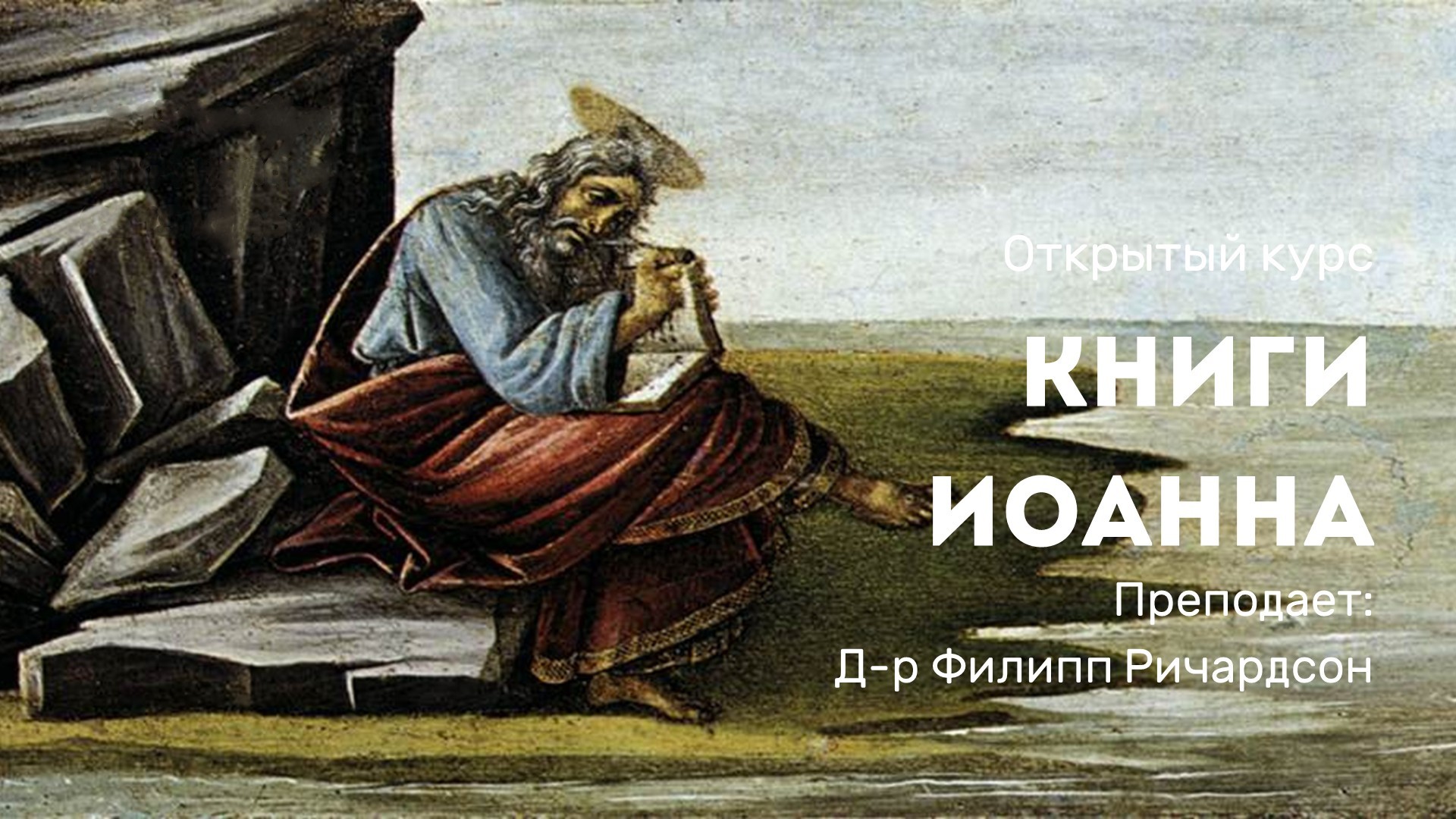
Введение в книги Иоанна, а именно, Евангелие от Иоанна, послания Иоанна и Откровение. Мы рассмотрим назначение каждой книги, её исторический контекст, отличительные особенности, ключевые темы и способы их интерпретации. Мы дадим обзор каждого произведения и сосредоточимся на некоторых важных отрывках. Мы обсудим, как полученные нами знания применимы к нам сегодня, как к личности, так и к Церкви.
Course Outcomes:
Студент, прошедший курс, способен:
- Определить цель каждого произведения Иоанна, его основные темы, наилучшие способы их интерпретации и их особый вклад в христианскую веру и жизнь.
- Эффективно интерпретировать писания Иоанна и применять полученные знания в своей жизни и в церкви.
- Учить и проповедовать на основе писаний Иоанна в контексте своего служения.
- Возрастать в своих отношениях с Господом и в святости посредством изучения писаний Иоанна.
Объем курса: 3 ECTS
Преподаватель: д-р Филипп Ричардсон электронная почта prichardson@onemissionsociety.org
-
-
ЕВАНГЕЛИЯ: ЖАНР, ЦЕЛЬ И ОСОБЕННОСТИ ИОАННА
Лекция объясняет, что такое Евангелия как тип литературы и почему понимание жанра помогает их правильно читать. Показано, что они одновременно исторические повествования, нарративы и богословские «жизнеописания» Иисуса. Сопоставляются синоптические Евангелия и Евангелие от Иоанна, выделяются ключевые отличия Иоанна. В конце обсуждается, зачем были написаны Евангелия и почему поздние «евангелия» не были приняты ранней церковью. -
ОСОБЕННОСТИ И СТРУКТУРА ЕВАНГЕЛИЯ ОТ ИОАННА
Лекция разъясняет силлабус, принципы оценивания и ближайшие сроки сдачи работ. Затем Евангелие от Иоанна сравнивается с синоптическими, чтобы увидеть его отличия. Подчеркиваются тема «вечной жизни», отобранные «знамения» и семь изречений «Я есмь», раскрывающих личность Иисуса. В конце дается общий план структуры Евангелия и начинается работа с текстом Ин 1:1–18. -
ПРОЛОГ ИОАННА: СЛОВО, ЖИЗНЬ И СВЕТ
Лекция связывает начало Евангелия от Иоанна с рассказом о творении: «в начале», Слово и свет. Объясняется понятие logos и почему оно звучало убедительно и для иудеев, и для греков. Рассматривается личность Иисуса: Слово «у Бога» и Слово — Бог, но на земле Он исполняет волю Отца. Выделяются ключевые темы — жизнь, свет и тьма, свидетельство — которые проходят через всё Евангелие. -
НИКОДИМ И САМАРЯНКА: НОВОЕ РОЖДЕНИЕ И ЖИВАЯ ВОДА
Лекция параллельно рассматривает встречи Иисуса с Никодимом и самарянкой и их духовные образы. Поясняется смысл «родиться от воды и Духа» и связь этого образа с очищением и новым сердцем (Иез 36). Отмечаются характерные для Иоанна противопоставления: свет и тьма, вера и отвержение, а также роль свидетельства. В конце вводятся «знамения» и изречения «Я есмь» и начинается подготовка к обсуждению Ин 6:25–58. -
ЗНАМЕНИЯ И «Я ЕСМЬ»: ХЛЕБ, СВЕТ И ЖИЗНЬ
Лекция разбирает Ин 6, где Иисус называет Себя хлебом жизни и зовёт людей приходить к Нему с верой. Поясняется шокирующий образ «есть Его плоть и пить Его кровь» как полное принятие Иисуса и участие в Его жертвенной смерти. Показано, как у Иоанна повторяются недопонимания и ирония и как знамения выявляют веру или духовную слепоту. В конце кратко затрагиваются темы «света» и «воскресения» и начинается переход к личному наставлению Иисуса ученикам. -
ЦЕЛИ ИИСУСА ДЛЯ УЧЕНИКОВ И ПАРАКЛИТ
Лекция по Ин 13–17 собирает цели Иисуса для учеников: любить, хранить Его заповеди, приносить плод и жить в радости и дружбе с Ним. Объясняется, как это исполняется через Святого Духа, которого Иисус называет Параклетом — Помощником, Утешителем и Заступником. Раскрывается смысл «освятить в истине»: быть отделённым для Бога и посланным на служение и миссию. В конце показано, что в страстном повествовании Иоанна Иисус идёт на крест сознательно и добровольно, и это укрепляет учеников продолжать Его дело в мире. -
ПЕРЕВОД, «ПНЕВМА» И ПЕРЕХОД К ИОАННОВЫМ ПОСЛАНИЯМ
Лекция объясняет, почему одно греческое слово может означать и поклонение, и жест почтения, и как контекст определяет перевод. Обсуждается диапазон значений «pneuma» (ветер/дыхание/дух) и почему Ин 3:8 по-разному передают разные переводы. Затем рассматриваются распятие и воскресение у Иоанна: кровь и вода, посланничество учеников и «дуновение» Иисуса на них и связь с Пятидесятницей. В конце показаны общие темы Евангелия от Иоанна и 1-го Послания Иоанна и вводится групповая работа о доктринальных и этических ошибках. -
1-Е ПОСЛАНИЕ ИОАННА: ЛЖЕУЧЕНИЕ И УЧЕНИЕ О ГРЕХЕ
Лекция подводит итоги: с каким лжеучением полемизирует 1-е Послание Иоанна — отрицание Иисуса как Христа и отрицание Его пришествия во плоти, а также претензии на «особое знание». Обсуждаются и этические ошибки: хождение во тьме, ненависть к брату, непослушание заповедям и отрицание собственной греховности. Показано, как Иоанн отвечает через мотив свидетельства, утверждения «Бог есть свет / Бог есть любовь» и тему «помазания» Духом, помогающего распознавать истину. Отдельно разбирается напряжение между словами «если говорим, что не имеем греха…» и «рожденный от Бога не грешит», с акцентом на сознательный/привычный образ греха. -
ЖАНР ОТКРОВЕНИЯ: АПОКАЛИПСИС, ПРОРОЧЕСТВО И ПОСЛАНИЕ
Лекция вводит в книгу Откровение и собирает типичные ассоциации и чувства, которые она вызывает у читателей. На основе Откр 1:1–11 рассматривается, как книга сочетает разные жанры: откровение/апокалипсис, пророчество и письмо семи церквам. Объясняется, что означает «апокалиптическое», и приводятся библейские параллели (Даниил, Иезекииль, Захария, «малый апокалипсис» Иисуса). Дополнительно разбирается образ «избранной госпожи» во 2-м Послании Иоанна как метафора общины и почему понимание жанра меняет чтение. -
АПОКАЛИПТИЧЕСКИЙ ЯЗЫК: СИМВОЛЫ, ЦВЕТА И ЧИСЛА В ОТКРОВЕНИИ
Лекция показывает, что апокалиптика рождает надежду и становится языком сопротивления, задавая вопрос: кто Господь этого мира — Бог или империя. Подчеркивается, что язык Откровения образный и символический, ближе к поэзии, чем к «науке», и ведёт к переживанию увиденного, а не к сбору дат и схем. Обсуждаются повторяющиеся образы (звери, дракон, всадники, трубы, Новый Иерусалим) и то, как животные могут обозначать империи (ср. Дан 7). Затем разбираются значения цветов и чисел (например, белый, красный, золото; 7, 12, 144 000, 3½, 666) и даётся предостережение против буквального чтения, чтобы увидеть реальность за символами. -
ОТКРОВЕНИЕ КАК ПРОРОЧЕСТВО: ПОСЛАНИЕ, ПОСЛУШАНИЕ И ПОДХОДЫ К ТОЛКОВАНИЮ
Лекция рассматривает книгу Откровение как пророчество, которое так называется и в начале, и в конце книги (Откр 1; 22). Объясняется, что пророчество — это не столько точное предсказание будущего, сколько Божье послание, которое утешает, предупреждает и призывает к послушанию. Пророческое призвание Иоанна сопоставляется с призванием Иезекииля через образ «съесть свиток», подчеркивающий принятие слова перед его возвещением. Далее сравниваются основные стратегии толкования (футуристическая, историческая, претеристская, идеалистическая) и показывается, почему полезнее сочетать контекст первых читателей, повторяющиеся исторические модели и надежду на окончательное Божье будущее. -
ИСТОРИЧЕСКИЙ И СОЦИАЛЬНЫЙ КОНТЕКСТ ОТКРОВЕНИЯ
Лекция объясняет, почему книгу Откровение нужно сначала читать в контексте семи церквей Малой Азии I века. Раскрывается давление на христиан из-за императорского культа и языческих общественных практик, влияющих на работу, торговлю и социальные связи. Показано, почему «Вавилон» действует как кодовое имя Рима и как Откровение пророчески обличает политическую и экономическую несправедливость империи. В конце это связывается со структурой семи посланий и подчеркивается: поклонение — политический акт верности, а «побеждать» значит оставаться верным Христу. -
СЕМЬ ПОСЛАНИЙ ЦЕРКВЯМ: ПОХВАЛА, ПРЕДУПРЕЖДЕНИЕ И ОБЕТОВАНИЕ
Лекция подводит итог посланиям семи церквам из Откр 2–3. Рассматривается, за что Христос хвалит каждую церковь, в чем обличает и к чему призывает в покаянии. Выделяются повторяющиеся темы: стойкость, опасность лжеучения, гонения и духовная теплохладность. Особый акцент делается на обетованиях «побеждающему», которые связывают письма с надеждой финала всей книги. -
НЕБЕСНЫЙ ТРОН И ПОБЕДА АГНЦА
Лекция раскрывает видение небесного престола в Откр 4–5, где Бог и Агнец находятся в центре поклонения. Показано, что победа Иисуса достигается не силой, а жертвой: ожидаемый «лев» оказывается закланным Агнцем. Затем даётся обзор видений печатей (Откр 6–7) с акцентом на повторяющиеся циклы, а не на строгую хронологию. Обсуждается образ 144 000 и неисчислимого множества и звучит призыв к верности среди давления и страданий. -
ПАДЕНИЕ ВАВИЛОНА И ОКОНЧАТЕЛЬНАЯ ПОБЕДА АГНЦА
Лекция продолжает видения Откровения (Откр 14–20), показывая одновременно спасение и суд. В центре — падение Вавилона (Рима): разоблачаются гордость, роскошь и несправедливая система, а Божий народ призывается не идти на компромисс. Объясняется символический смысл Армагеддона и почему его не следует превращать в «ключевое событие» будущей хронологии. В завершение связываются брачный пир Агнца, победа Всадника на белом коне и обсуждение «тысячелетия» с оправданием мучеников и окончательным Божьим судом. -
НОВОЕ НЕБО И НОВАЯ ЗЕМЛЯ: НОВЫЙ ИЕРУСАЛИМ
Лекция раскрывает финальное видение Откровения (Откр 21–22), где новое творение и Новый Иерусалим накладываются как город и невеста. Подчеркивается, что исчезает: море как символ хаоса, смерть и слезы, ночь и храм, потому что Бог и Агнец пребывают среди Своего народа. Показано, что присутствует: слава Бога как свет, река воды жизни и древо жизни, листья которого для исцеления народов. В конце звучит призыв поклоняться только Богу, хранить слова книги и жить в надежде на скорое пришествие Иисуса.
-