
KEV404 - Palve ja Jumala vägi teenimistöös
Section outline
-
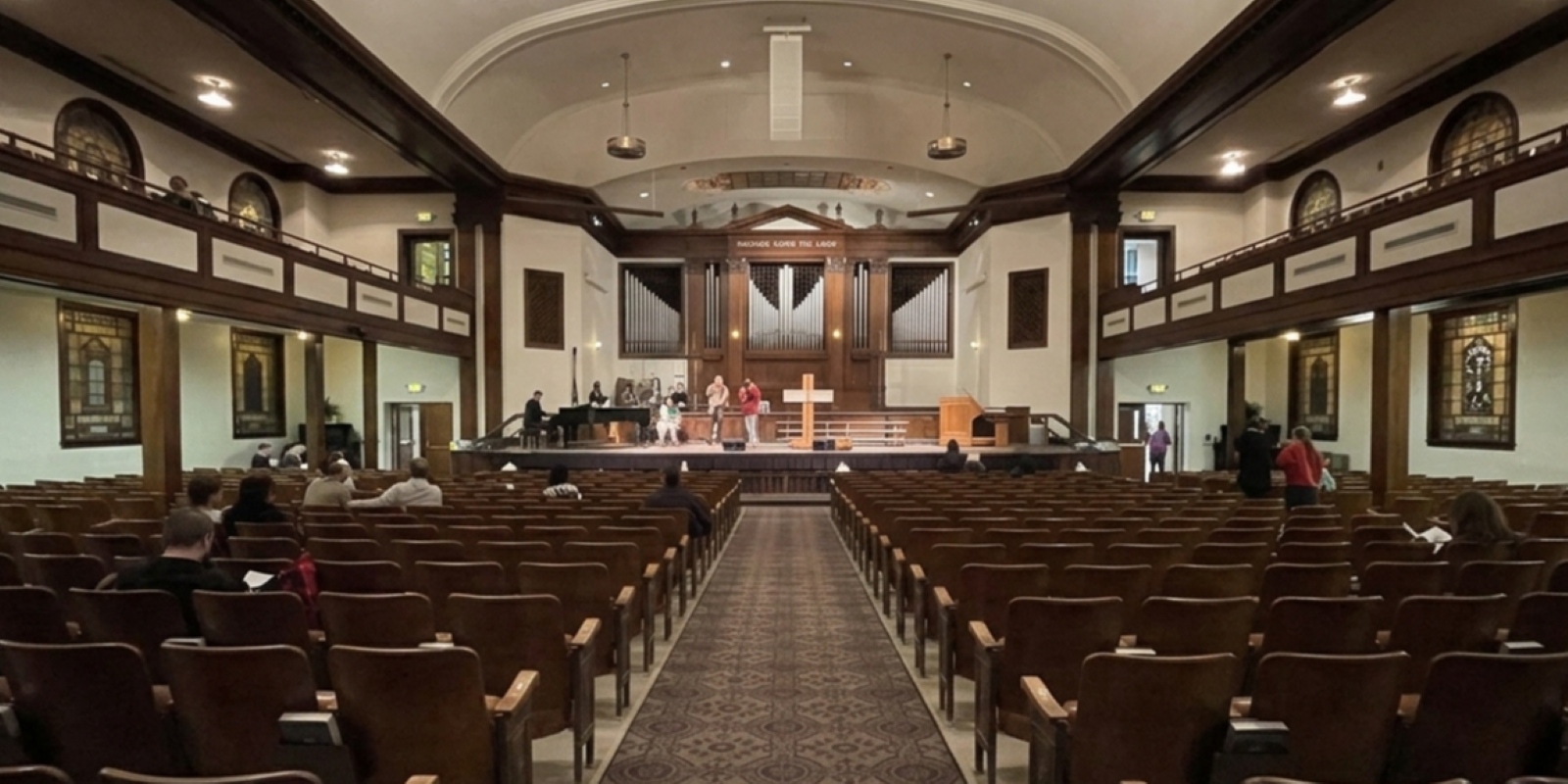
Aine eesmärgid: Kursuse eesmärk on süvendada arusaama tõhusast palveteenistusest teiste heaks. Kursuse käigus kujundatakse tervislikke ootusi palveelu ja Jumala kuulamise osas, õpetades põhiprintsiipe ja praktikaid, mis aitavad üliõpilastel muutuda enesekindlamaks teiste eest palvetamisel. Kursus püüab süvendada üliõpilase mõistmist koostööst Püha Vaimuga palveteenistuses, tugevdada võimet kuulda Jumala häält ning kasvatada vaimulikku eristamisvõimet.
Aine õpiväljundid: Kursuse läbinud üliõpilane:
- suudab väljendada, kuidas järgida Kristuse eeskuju palveteenistuses ja teha piibellikel alustel tõhusat koostööd Püha Vaimuga;
- rakendab praktilist palveteenistuse mudelit ja kasutab konkreetseid suuniseid palvekohtumiste väärikaks läbiviimiseks;
- mõistab Jumala hääle kuulamise ja vaimulike küsimuste eristamise põhiprintsiipe palveteenistuse käigus;
- praktiseerib enesekindlalt palveteenistust, kogedes isiklikumat osadust Püha Vaimuga ja kuuldes Tema häält selgemalt;
- viib oma tegevuse kooskõlla Isa Jumala toimetamisega, et olla Püha Vaimu hetkede hea majapidaja;
- viib läbi kohtumisi, kus Püha Vaimu ligiolu muutub reaalsemaks ja nähtavamaks nende elus, kelle eest palvetatakse.
Ainepunkte: 2 EAP
Õppejõud: Bud Simon | e-post: budsimononline@gmail.com
Vastutav õppejõud: Mark Nelson | e-post: mark.nelson@emkts.ee -
-
Kui leht avatakse inglise keeles, kasutage brauseris lehe automaatse tõlkimise funktsiooni. (Paremklõps teksti piirkonnas -> Tõlgi vene keelde)
-
Vali soovitud tõlke audio. -> 🎧
Vali soovitud subtiitrid -> CC-
-
Asbury ärkamise sündmused avavad Jumala kohalolu, palve ja vaimuliku uuenemise tähendust. Isiklikud tunnistused kirjeldavad tervenemist, vabastust ja sisemist muutust erinevate inimeste elus. Rõhutatakse ausust Jumala ees ning valmisolekut loobuda vaimulikku kasvu takistavatest koormatest. Arutletakse, kuidas Jumal tegutseb koguduses, palveteenistuses ja igapäevaelus ootamatutel viisidel.
-
-
-
Käsitletakse erinevaid palvevorme, mis kujundasid Asbury ärkamise vaimulikku elu ja teenimist. Rõhutatakse püsivat eestpalvet, alandlikkust, pühitsust ja ootust Jumala tegutsemise suhtes. Arutletakse, kuidas palveteenistus, ühine ülistus ja vaimulik discernment toetavad koguduse ühtsust ning tervenemist. Isiklikud lood ja piiblitekstid avavad Jumala töö mõju suhetele, teenimisele ja sisemisele muutusele.
-
-
-
Rõhutatakse Kristuse tasadust, headust ja kaastunnet palveteenistuse kesksete väärtustena. Arutletakse, kuidas Jumala vägi ja Kristuse iseloom peavad toimima koos ilma domineerimise või hukkamõistuta. Isiklikud lood tervenemisest, vabastusest ja sisemisest muutusest näitavad Püha Vaimu tööd inimeste elus. Käsitletakse ka Jumala ligiolu kogemist, lootuse edasiandmist ning alandlikku teenimist koguduses ja perekonnas.
-
-
-
Käsitletakse palveteenistuse praktilisi põhimõtteid, mis aitavad inimestel kogeda Jumala ligiolu, lootust ja tervenemist. Rõhutatakse kannatlikkust, austust, tähelepanelikku kuulamist ja kaastunnet inimeste eest palvetamisel. Jeesuse eeskuju kaudu avatakse puudutuse, kohalolu ja julgustuse tähtsus teenimises ning vaimulikus hoolimises. Arutletakse ka sõltuvuste, vaimulike probleemide ja tervenemise teemadel ning koguduse vastutusel turvalise palvekeskkonna loomisel.
-
-
-
Matteuse evangeeliumi lõpuosa kaudu käsitletakse jüngrite kahtlusi, Jeesuse ülestõusmist ja suurt misjonikäsku. Arutletakse, kuidas usk ja kahtlused võivad eksisteerida samaaegselt kristlase vaimulikus teekonnas. Rõhutatakse, et Jeesus kutsub ja läkitab ka puudulikke ning küsimustega inimesi enda järgijateks. Isiklikud usuküsimused, hirmud ja ebakindlus asetatakse Jumala ligiolu, armu ja ustavuse valgusesse.
-
-
-
Käsitletakse kahtluste, sisemiste haavade ja vaimuliku tervenemise mõju inimese usuelule ning palveteenistusele. Rõhutatakse, et Jumala lunastav vägi on suurem kui mineviku haavad, häbi, hirm või patt. Joosepi elu, jüngrite kahtlused ja Kristuse rist avavad uue identiteedi ning vabaduse tähendust. Arutletakse, kuidas Püha Vaim aitab murda hävitavaid käitumismustreid ning kujundada tervet ja küpset teenimiselu.
-
-
-
Käsitletakse palveteenistuse eetikat, austust ja kaastunnet Jeesuse teenimise eeskujul. Rõhutatakse, et Püha Vaimu töö ei õigusta agressiivset ega tähelepanu otsivat käitumist koguduses. Arutletakse kuulamise, lihtsa suhtlemise, privaatsuse ja inimese vabatahtliku osaluse tähtsust palveteenistuses. Küsimuste ja vastuste kaudu käsitletakse ka andestust, sisemist tervenemist, vaimulikku kasvamist ning tähelepanu hajutavate harjumuste mõju kristlase elule.
-
-
-
Tutvustatakse viieastmelist palvemudelit, mis aitab palveteenistust läbi viia selgelt, rahulikult ja Püha Vaimu juhtimisel. Rõhutatakse kuulamise, lihtsate küsimuste, discernment’i ja inimese kaasamise tähtsust palveprotsessis. Arutletakse, kuidas palveteenistus ei ole eesmärk omaette, vaid osa inimese vaimulikust teekonnast Kristusega. Praktiline näide ja ühine harjutus aitavad mõista, kuidas pakkuda toetavat, austavat ja julgustavat palveteenimist koguduse elus.
-
-
-
Käsitletakse kaastundliku palveteenistuse põhimõtteid, mis aitavad ühendada vaimuliku discernment’i, lihtsuse ja hooliva suhtumise inimestesse. Rõhutatakse kuulamise, rahuliku kohalolu ja Püha Vaimu juhtimise tähtsust palves ning koguduse teenimises. Arutletakse vaimse tervise, üksinduse, ärevuse ja sõltuvuste mõju tänapäeva ühiskonnas ning Jumala ligiolu tervendavat väge. Isiklikud näited ja Asbury ärkamise kogemused näitavad, kuidas kogukond, palve ja vastuvõtt aitavad inimestel kogeda lootust, tervenemist ja vaimulikku uuenemist.
-
-
-
Käsitletakse erinevaid viise, kuidas kristlane võib kogeda Jumala juhtimist, sisemist tunnetust ja Püha Vaimu kõnetust igapäevaelus. Isiklikud lood, Piibli näited ja Apostlite tegude raamatu sündmused avavad vaimuandide, prohvetliku teenimise ja koguduse ülesehitamise tähendust. Rõhutatakse, et vaimuannid peavad toimima armastuse, alandlikkuse ja koguduse ühtsuse raamistikus. Arutletakse ka discernment’i, tervenemise, usupraktika ning Jumala hääle eristamise teemadel.
-
-
-
Arutletakse, kuidas eristada Jumala juhtimist inimlikust kujutlusvõimest ning hinnata prohvetlikke sõnumeid koguduse elu kontekstis. Rõhutatakse, et vaimuannid peavad toetama armastust, koguduse ülesehitamist, ühtsust ja vaimulikku küpsust. Käsitletakse discernment’i põhimõtteid, Püha Vaimu juhtimist ning kristlase vastutust jagada julgustavaid ja hoolivaid sõnumeid alandlikult. Praktiline harjutus aitab mõista, kuidas kuulata Jumala häält, tunnetada sisemisi kõnetusi ja teenida teisi vaimuliku tundlikkusega.
-
-
-
Käsitletakse palveteenistuse praktilist rakendamist koguduses, tööelus ja igapäevastes suhetes. Arutletakse, kuidas kujundada palvemeeskonda, hinnata vaimulikku küpsust ning luua turvaline ja hooliv teenimiskeskkond. Rõhutatakse Kristuse iseloomu, alandlikkuse, vaimuliku discernment’i ja koguduse vastutuse tähtsust vaimuandide kasutamisel. Evangelismi, eestpalve ja vaimuliku võitluse teemad avavad võimalusi toetada inimesi palve, julgustuse ja Jumala ligiolu kaudu.
-
-