Compassionate Wisdom in Prayer Ministry

Prayer ministry needs a model, but the model must be used with wisdom. A model is not meant to become a rigid formula that must be followed mechanically. It is a structure that helps guide ministry so that prayer remains focused, compassionate, and open to the Holy Spirit. Wisdom transforms a model into a living practice. It allows the minister to use the structure without becoming trapped by it.

The most important reality in prayer ministry is not the model itself, but relationship with Christ and relationship with the person receiving prayer. If the steps become more important than Christ, or if following the model becomes more important than loving the person, the purpose has been missed. The model exists to help us serve well, listen well, and cooperate with what Christ is doing.

Wisdom Makes the Model Flexible

A prayer model gives direction, but wisdom gives flexibility. In real ministry, people do not come with neat and simple problems. They come with complex stories, pain, confusion, relational wounds, sickness, fear, anxiety, and spiritual questions. The minister needs a framework, but also sensitivity. Compassionate wisdom helps the minister know how to use the framework without becoming cold or mechanical.

Prayer ministry is partnership with Christ. The goal is not to perform a method correctly; the goal is to join what Jesus is doing in the person’s life. The model helps us move in the right direction, but the living relationship with Christ must remain first. This keeps prayer ministry personal, humble, and responsive.

Listening to the Holy Spirit

Prayer ministry requires intentional listening to the Holy Spirit. When praying for someone, the minister should not rush from question to prayer to conclusion. There should be space to pause and listen. This can be explained simply to the person receiving prayer: “I am going to pray, and then I will be still for a moment to listen to what the Holy Spirit may be saying.”

Listening to the Holy Spirit helps the minister discern what is happening. It also helps keep attention on God rather than on the minister’s own effort. The minister is not trying to create a spiritual result. God is already present and at work. The minister is asking, “Lord, what are You doing here, and how can I join You?”

Sometimes other people are present with the one receiving prayer: a spouse, parent, friend, neighbor, or family member. In certain situations, their input may be helpful. This is especially true when parents bring children for prayer. The minister can listen to what they share, while still honoring the person who is receiving prayer.

Simplicity in Spiritual Practice

Spirituality is not about complexity. It is often about simplicity. Simple practices are usually easier to repeat and therefore more likely to become consistent. A complicated practice may seem impressive, but if it cannot be followed faithfully, it will not help people grow.

In prayer ministry, simplicity means keeping the conversation focused. The interview should usually be brief. The minister may ask, “What is going on?” or “How can I pray for you?” The goal is not to enter a long counseling session, but to understand enough to pray well.

If a deeper issue becomes clear, the person can be invited into another context for longer prayer, pastoral care, counseling, or further conversation. Altar ministry or prayer at a church event is usually not the place for a long therapeutic conversation. It is a place to listen briefly, discern, pray, and help the person take the next step.

Guiding a Long Conversation

Sometimes a person begins to tell their entire life story when asked what they want prayer for. They may begin far back in childhood and explain many details. Their story may truly matter and deserve to be heard, but the altar ministry moment may not be the right time or place for the whole story.

The minister can gently guide the conversation back to the present prayer need. This can be done respectfully: “I want to hear you, but in this moment we want to focus on prayer. Could you tell me in one or two sentences how I can pray for you?”

This kind of guidance is not rejection. It is pastoral care for the moment. It helps the person focus and helps the prayer time remain clear. If more clarification is needed, the minister can ask simple follow-up questions. The aim is to help the person name the need that brought them forward for prayer.

Focused and Brief Prayer

Prayer in altar ministry should usually be brief and focused. A general prayer such as “Lord, bless this person” is not wrong, but a clearer prayer is often more helpful. If the person asks for peace because they feel stressed, the prayer can focus on peace, rest, and awareness of God’s presence in the middle of stress.

Focused prayer honors what the person shared. It also helps the minister stay attentive. When there are many needs, flexibility is important, but it is usually best to pray for one thing at a time. This does not deny that life is complex. It simply recognizes that prayer ministry works better when it is clear and personal.

Prayer ministry is relational. In any relationship, a rigid formula can become destructive. Healthy relationships need principles, but also give and take. In the same way, the model gives helpful principles, while compassionate wisdom helps the minister respond to the real person in front of them.

Knowing When to Stop or Continue

One practical question in prayer ministry is how to know when to stop praying and when to continue. There is no single rule, but there are helpful signs. If a person has received a clear healing, a sense of God’s presence, peace, or a meaningful touch from the Lord, it may be time to stop and give thanks.

If nothing seems to be happening and there is no progress, it may also be time to stop. Stopping does not mean failure. It may simply mean that the prayer time has reached its natural end. If the minister or the person receiving prayer senses that the Holy Spirit is indicating enough, it is appropriate to stop. If the person says, “I think that is enough prayer,” that should be respected immediately.

There are also signs that it may be good to continue. If the person experiences warmth, cold, peace, trembling, physical change, emotional release, or another sign that God may be working, the minister can continue praying gently. If the person asks for continued prayer, that may also be a reason to continue. The goal is not to force something to happen, but to remain attentive to what God is doing.

Different Kinds of Prayer Ministry

The five-step model is especially useful for altar ministry, church prayer times, event ministry, or shorter moments of prayer in a home or ministry setting. There are other kinds of prayer that may take much longer. Some forms of soaking prayer or inner healing prayer may focus more deeply on inviting God’s presence and may last an hour or more.

It is important to know what kind of prayer context is being practiced. Short altar ministry is not the same as a long prayer appointment. Each setting needs appropriate expectations. In shorter ministry, the focus is clear prayer, compassion, and helping the person take the next step.

Attentiveness and Praying with Eyes Open

Prayer ministry requires attentiveness. Churches and ministry settings can be distracting. People may be coming and going, music may be playing, and many things may be happening around the room. One helpful practice is to pray with eyes open.

In some traditions, closing the eyes is seen as a sign of respect toward God. That is understandable. But in prayer ministry, keeping the eyes open can help the minister notice what is happening in the person receiving prayer. Human beings are integrated: body, emotions, spirit, and mind are connected. Spiritual activity may sometimes have physical signs.

A person may shake, feel off balance, feel warmth or cold, experience chills, begin to sweat, cry, laugh, or sense something happening in the body. These can be signs that the Holy Spirit is at work. The minister does not need to be afraid of such signs, but neither should the minister chase them.

Do Not Chase Manifestations

Manifestations are not the goal. It is not better if someone falls down, and it is not worse if they do not. It is not better if someone laughs, cries, shakes, or has a visible reaction. The goal is the touch of the Holy Spirit in the person’s life.

God has made each person uniquely. Different people may respond differently to the presence of the Holy Spirit. Sometimes, in a powerful move of the Spirit, many people may laugh, cry, fall, or experience the same kind of touch together. Such things can happen. But they must not be forced.

One error is to say that nothing unusual should ever happen. Another error is to think that if more manifestations happen, then more of God must be present. Both are mistakes. The proper posture is openness and discernment. When the Holy Spirit is working, the minister follows His leading without trying to manufacture a reaction.

Power, Character, and the Direction of the Gifts

Character directs the gifts. Spiritual gifts are important, but they must be guided by humility, kindness, and compassion. These qualities are not minor additions to ministry. They shape the way the power of God is expressed.

People should sense that the one praying for them is safe, kind, and compassionate. They should not feel that they want to escape the ministry environment. Some ministries unfortunately create discomfort, pressure, or fear. That should not be the aim of Christian prayer ministry. People should be able to sense that they are near someone who wants to help them look to God.

Confidence in prayer ministry is also important, but it must not become force. The minister should have expectancy toward God: God is present, God is working, and God can act. But this confidence must not turn into an attempt to obligate God or force something that God is not doing. True confidence joins God’s work rather than trying to control it.

Immediate Healing and Healing Over Time

Sometimes prayer brings immediate healing. Other times healing unfolds over time. In the Bible, many people came to Jesus especially for physical healing and deliverance. Those were central afflictions in the Gospels: sickness, blindness, leprosy, death, and demonic oppression.

Today people still need physical healing and deliverance. These should not be minimized. But many people also come for prayer because of the afflictions of this age: anxiety, depression, cancer, addiction, loneliness, self-harm, broken relationships, emotional stress, and despair. The church must learn to pray for these needs with the same compassion of Christ.

Modern society has created many conditions that harm people rather than help them. Technology, overstimulation, loneliness, and constant pressure contribute to emotional and spiritual distress. Many people are not only asking for healing of the body; they are longing for peace, stillness, community, and the felt presence of God.

The Healing Power of God’s Presence and Community

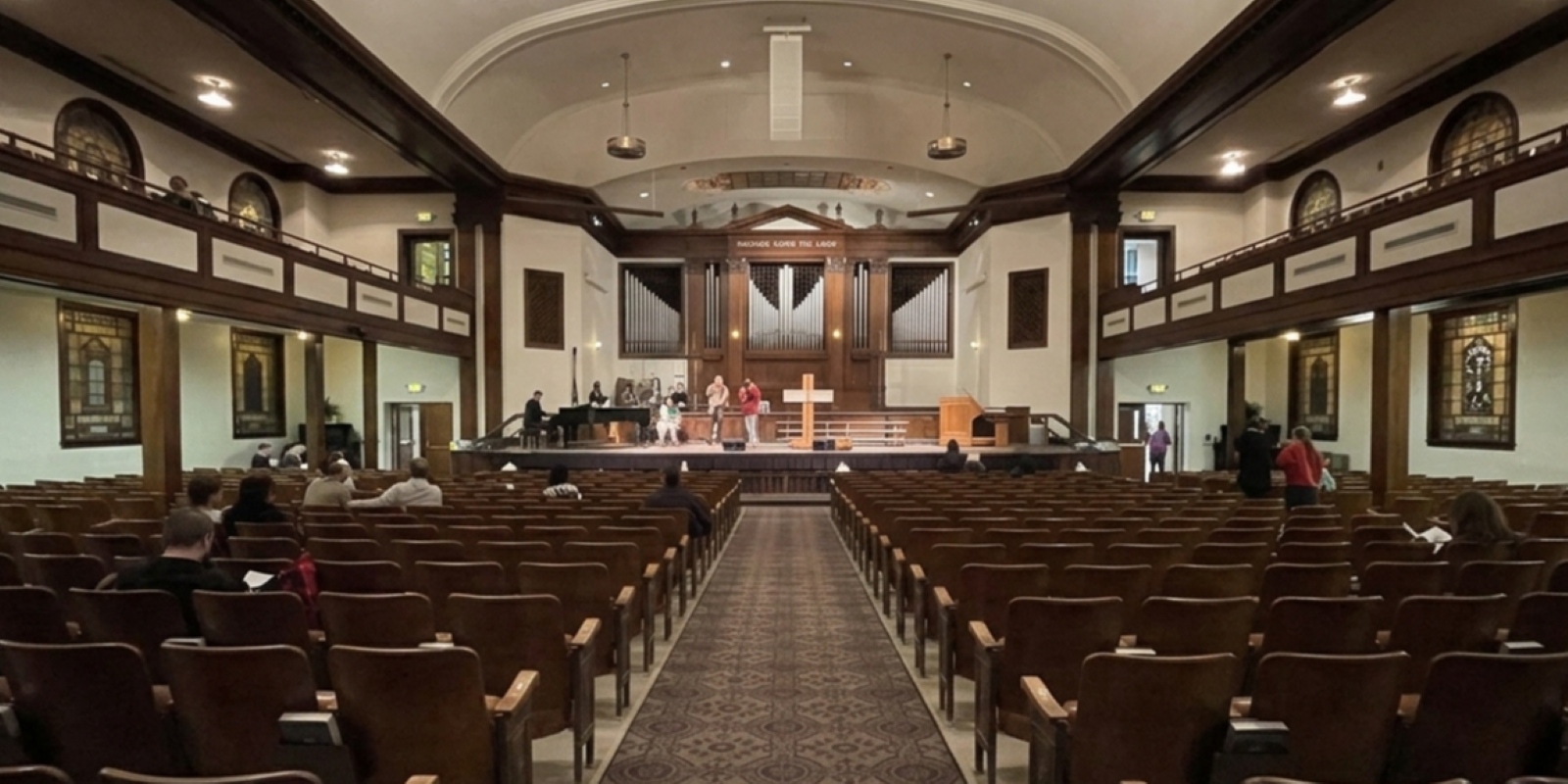
During the Asbury outpouring, one striking effect was seen in the university counseling department. Usually, students had to wait six to eight weeks for a counseling appointment. When the revival began, the waiting list disappeared. Students were no longer signing up in the same way because many were encountering healing, peace, and care in the presence of God and in the community gathered around Him.

This does not mean counseling is unnecessary or unimportant. Counseling can be a gift and a needed part of healing. But the event showed that many things people long for can be met deeply in the presence of God and in a healthy Christian community.

Students came forward sharing painful and shameful parts of their lives. Instead of being rejected, they were surrounded, embraced, prayed for, and loved. When people confess and are met with love rather than rejection, the power of shame and accusation is broken. Anxiety, depression, and emotional distress often come with many other feelings: shame, fear, isolation, and self-condemnation. Confession in a loving community can break the power of those burdens.

Receiving Prayer Quietly

Sometimes when a person is receiving prayer, they begin praying loudly themselves or repeating words with intense emotion. They may feel that they are supposed to act that way while someone prays for them. In such moments, it can be helpful to gently say, “Just be still and receive what God has for you.”

This is not meant to silence sincere prayer. It is meant to help the person stop performing and simply receive. Some people carry expectations about how they should behave in prayer. Gentle direction can disarm that pressure and help them rest in God’s presence.

Prayer Ministry and Personal Relationship with God

Prayer ministry is not separate from the minister’s relationship with Christ. It flows from that relationship. Those who pray for others should cultivate regular spiritual practices: personal prayer, listening to God, reading Scripture, and fellowship with the body of Christ.

A healthy walk with God is intentional. It means prioritizing relationship with the Lord, making space to listen to Him, reading Scripture consistently, and maintaining healthy relationships with other believers. Prayer ministry should not be treated as a technique that can be applied while neglecting the rest of the Christian life.

The minister’s life with God matters. The more a person walks with Christ, seeks Him, listens to Him, and lives in fellowship with His people, the more prayer ministry can flow from love, humility, and spiritual sensitivity. God is sovereign and uses whom He wills, but believers are also invited to seek Him deeply and walk with Him faithfully.

Conclusion

Compassionate wisdom helps prayer ministry become a healthy practice. It keeps the model flexible, relational, and centered on Christ. It teaches ministers to listen to the Holy Spirit, keep prayer simple, guide conversations gently, pray with focus, and know when to stop or continue.

Healthy prayer ministry does not chase manifestations, but it remains open to the real work of the Holy Spirit. It values character as much as gifts and understands that people today often need not only physical healing, but peace, belonging, deliverance from shame, and restoration in community. The goal is to help people encounter the presence of God and take the next step in their journey with Jesus.